DJI 0076

250

Million Euros

Investment of Deutsche Bahn (DB)

163

Kilometres

of new tracks have been laid

196.000

Sleepers

were laid – 10 per minute

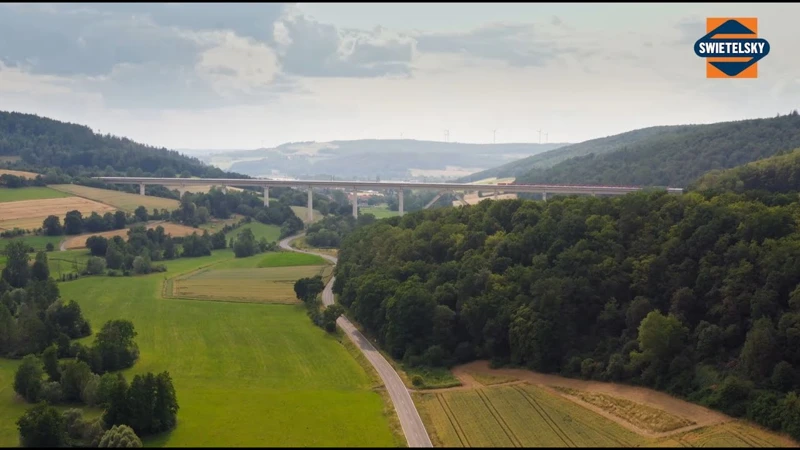
The 85-kilometre high-speed line between Kassel and Fulda is a key piece of future infrastructure for Deutsche Bahn. We at Swietelsky refurbished it completely—in just nine months—both as a single company and as a European three-country team, taking on a record-worthy mammoth task.

underlay
RAAE2717

Record-speed refurbishment powered by international teamwork

The 85-kilometre high-speed line between Kassel and Fulda is a key future corridor for Deutsche Bahn—and SWIETELSKY completely refurbished it in a record nine months. The job demanded the kind of precision rail projects are known for: as Dutch turnout specialist Gertjan van Niftrik puts it, you can’t simply shift deadlines. Everyone knows the exact day the line must reopen and trains must run again for millions of passengers—non-negotiable. That pressure means every step, hand movement, and logistics process has to be right, with hundreds of people working in sync.

SWIETELSKY tackled the mammoth task by bundling strengths across three countries: track-construction experts from Germany, turnout specialists from the Netherlands, and top machine operators from Austria—working as one coordinated team along the corridor.

1

The RUS 1000 S, tough final weeks, and a big payoff for passengers

A major reason the schedule was achievable was a unique piece of equipment in Swietelsky’s fleet: the RUS 1000 S, a modern track-construction giant that sets new standards in mechanised renewal. In a single closure it can replace sleepers, rail fastenings, and rails while simultaneously cleaning the ballast bed—essentially delivering track like a moving production line at roughly ten sleepers per minute.

Project manager Friedrich Husner says Deutsche Bahn initially viewed the RUS 1000 S with skepticism, because it pushes beyond familiar limits and even challenges established rules. But when the timetable tightened, “regulatory doors” opened—and the machine became a decisive time-saving advantage. The result was not only growing trust from the client, but also local fascination: people reportedly gathered on bridges and roadsides to watch the hundreds-of-metres-long machine at work and to see tangible infrastructure progress in their region.

Key facts about the RUS 1000 S:

  • Total weight: 674 t
  • Width: 3,29 m
  • Height in transport position: 4,31 m
  • Height in working position: 4,49 m
  • Number of axles (driven axles): 36 (12)

Field of application:

  • Track renewal incl. ballast bed cleaning and first tamping pass
  • Track renewal without ballast bed cleaning
  • Track renewal with complete ballast replacement
  • Sleeper replacement with or without ballast bed cleaning
  • Shoulder cleaning without track renewal
2

The Final Stretch

The final stretch remained intense. Claudia Graber describes how the line wasn’t finished “in one go,” but through multiple sections and intermediate deadlines, with complex coordination across logistics, turnout work, machine deployment, and repeated quality checks and test runs at different speeds. Winter weather—sudden snowfall—added extra stress. Still, the team reopened on time on the night of 9 December: at 00:30 the first freight train rolled over the renewed tracks.

Now ICE trains can run up to 280 km/h, cutting the Kassel–Fulda journey to about 28 minutes instead of more than an hour—an especially meaningful gain for commuters. And yes, there was time for a quick site celebration (even a barbecue by the tracks), though the full significance of what the team delivered often sinks in only days later, once the pressure fades.